

How to Reduce Inflammation Naturally: Diet, Supplements and Science-Backed Strategies
December 03, 2025
How to Reduce Inflammation Naturally: Diet, Supplements and Science-Backed Strategies
How to Reduce Inflammation Naturally: Diet, Supplements and Science-Backed Strategies
Inflammation is the body’s natural response to injury or infection, yet in some cases the inflammation persists, leading to long-term damage that may include heart disease, diabetes, and cancer. Thankfully, there are medical treatments to reduce inflammation as well as a healthy diet which can help fight it. Eating nutrient-dense, whole foods is essential for managing flare-ups and avoiding certain diseases caused by it. Foods that contain anti-inflammatory agents, such as omega-3 fatty acids, antioxidants, and fibre, are important components of an anti-inflammatory diet. Further, the addition of certain supplements, herbs, and spices, like turmeric, ginger, and garlic, can amplify the positive effects on inflammation. In this blog, we will discuss how to lower inflammation with supplements for muscle pain and inflammation, and how to naturally reduce inflammation in the body by abiding by a healthy diet.
Table of Contents
- Understanding Inflammation
- What Exactly Is Chronic Inflammation
- The Role of Diet in Inflammation
- Key Nutrients for Reducing Inflammation
- The Importance of Hydration in Fighting Inflammation
- The Hidden Dangers of Chronic Inflammation
- 5 Practical Ways to Combat Chronic Inflammation
- Supplements for Muscle Pain and Inflammation
Understanding Inflammation
Inflammation, a natural process within our bodies, plays a crucial role in our immune system's response. It acts as a defence mechanism, aiding in the healing of injuries and combating harmful pathogens. However, sometimes this defence mechanism goes awry, resulting in chronic inflammation, which can have detrimental effects on our health. Chronic inflammation is an ongoing, persistent state that lingers beyond its normal duration. Instead of protecting us, it can contribute to cardiovascular disease, diabetes, autoimmune disorders, and even cancer.
To address this concern and enhance overall well-being, adopting a healthy diet can reduce inflammation. Nutrient-rich foods and minimising processed and sugary items help reduce chronic inflammation. Additionally, some DoNotAge.org supplements can support inflammation reduction. These will be discussed later.
What Exactly Is Chronic Inflammation?
Chronic inflammation isn’t always obvious. Often, it’s silent—no fever, swelling, or pain—but still damaging tissues and accelerating ageing. It can disrupt metabolism, stress your cells, and weaken immune function over time.
Science now highlights powerful cellular defence systems, including the Nrf2 pathway, and natural compounds like sulforaphane that activate it.
Acute inflammation protects you, but chronic inflammation is like a fire that never fully goes out. It can be caused by:
-
Processed or inflammatory foods
-
Poor sleep or high stress
-
Environmental toxins
-
Gut imbalance
-
Oxidative stress from ageing
The Hidden Dangers of Chronic Inflammation
-
Cell and tissue damage
-
Mitochondrial dysfunction
-
Memory and cognitive decline
-
Increased risk of arthritis, heart disease, Alzheimer’s
The Early Clues of a Body Under Stress
Even if you feel “fine,” inflammation may still be brewing beneath the surface. Here are a few subtle signs your body may be asking for support:
-
Brain fog
-
Stiff joints
-
Low mood
-
Skin irritation
-
Poor sleep
-
Digestive issues
The Role of Diet in Inflammation
Having a balanced, healthy diet is a great way to naturally reduce inflammation in the body. The food we put into our bodies can either trigger inflammation or help fight it off. Processed foods, unhealthy fats, and sugar-rich meals can worsen inflammation. In contrast, nutrient-dense whole grains, lean proteins, fruits, and vegetables can reduce inflammation and promote better health.
Processed foods, excessive red meat, and sugar contribute to inflammation. A healthy diet lowers risk and improves long-term well-being. Recommended foods include:
-
Olive oil
-
Beans
-
Fatty fish
-
Leafy greens
-
Broccoli, berries, avocado
-
Nuts
-
Ginger and garlic
Key Nutrients for Reducing Inflammation
Many substances can naturally reduce inflammation in the body. Fibre plays a vital role in supporting gut health and lowering inflammation. It helps clean the digestive system, promotes regular bowel movements, prevents buildup of harmful substances, and reduces gut inflammation.
Fatty Fish: A Rich Source of Omega-3s
Fatty fish like salmon, sardines, and mackerel are excellent sources of omega-3 fatty acids. Omega-3s are known for their anti-inflammatory properties. Including them in your weekly meals—grilled salmon, sardine salads, or baked trout—can naturally reduce inflammation and support better overall well-being.
Whole Grains: Fibre-Rich and Inflammation-Fighting
Replacing refined grains with whole grains like quinoa, brown rice, and oats offers numerous benefits. Whole grains stabilise blood sugar, help prevent inflammation, and nourish gut bacteria. Fibre-rich foods help manage diabetes (CDC) and reduce risk of type 2 diabetes.
Healthy Fats: Olive Oil and Avocado
Extra virgin olive oil and avocado contain monounsaturated fats with anti-inflammatory benefits. Use olive oil for cooking or salads, and add avocado to meals to support healthier inflammation levels.
Herbs and Spices: Adding Flavour & Anti-Inflammatory Benefits
Turmeric, ginger, garlic, and cinnamon all contain compounds that help reduce inflammation. Curcumin in turmeric, gingerol in ginger, allicin in garlic, and antioxidants in cinnamon work to counter inflammatory pathways.
The Importance of Hydration in Fighting Inflammation
Staying hydrated is essential for overall well-being and reducing inflammation. Water helps eliminate harmful substances and supports immune function. Aim for at least eight glasses daily, increasing during exercise or hot weather.
Meet the Nrf2 Pathway: Your Body’s Anti-Inflammatory Control Centre
The Nrf2 pathway activates hundreds of protective genes that fight inflammation, neutralise free radicals, and detoxify the body. However, Nrf2 activation declines with age.
Sulforaphane: A Small Molecule With a Big Role
Sulforaphane, found in cruciferous vegetables, is one of the strongest natural Nrf2 activators. It supports antioxidant production, healthy inflammatory response, mitochondrial efficiency, neuroprotection, and detoxification.
However, obtaining enough sulforaphane from food alone is difficult, which is why concentrated supplementation is often used.
5 Practical Ways to Combat Chronic Inflammation
1. Eat an Anti-Inflammatory Diet
Prioritise colourful fruits, vegetables, whole grains, lean proteins, oily fish, nuts, seeds, turmeric, and ginger. Reduce alcohol, fried foods, and added sugars.
Include quercetin-rich foods like apples, onions, and capers.
2. Move Daily
Even a 30-minute brisk walk lowers inflammatory markers and helps clear senescent cells.

Movement helps reduce inflammation and supports cellular repair.
3. Manage Stress Mindfully
Chronic stress elevates cortisol, which increases inflammation. Breathwork, meditation, journaling, or time outdoors can restore balance.
4. Prioritise Sleep
Sleep is when your body repairs tissues, clears toxins, and resets inflammation pathways. Aim for 7–9 hours.
5. Consider Nutritional Support Used by Researchers
This includes Pure Quercetin, SIRT6Activator, SulforaBoost®, and Ca-AKG.
Supplements for Muscle Pain and Inflammation
DoNotAge.org offers supplements designed to support inflammation reduction and overall well-being. They use natural, research-backed compounds without fillers or additives.
Vitamin D3, K2 & Magnesium Supplement for Inflammation
The Vitamin D3, K2 & Magnesium supplement supports inflammation reduction by regulating immune responses, balancing calcium metabolism, and supporting anti-inflammatory enzymes.
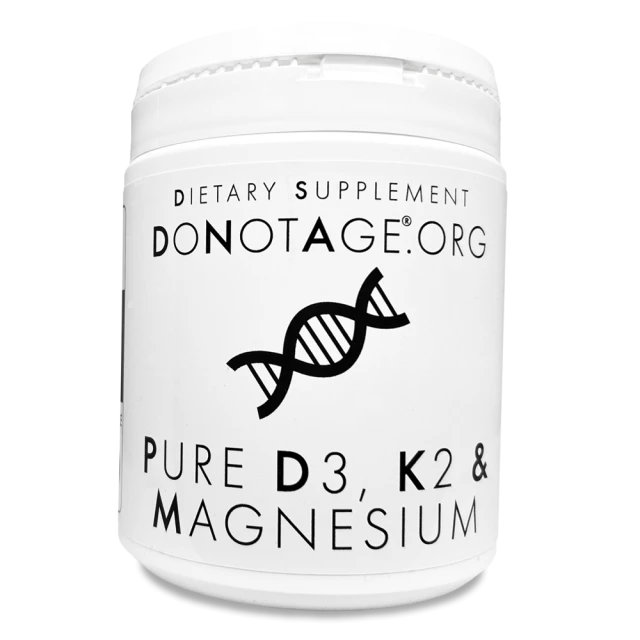
DoNotAge.org Vitamin D3, K2 & Magnesium Supplement
NAC and Glycine Supplement for Muscle Pain and Inflammation
NAC and Glycine work synergistically to reduce inflammation, lower oxidative stress, and support muscle recovery.

DoNotAge.org Glycine & NAC Supplement
Omega-3 Fatty Acids: The Anti-Inflammatory Powerhouse
Omega-3 supplements like DoNotAge.org’s Pure Omega-3 support cardiovascular health, reduce inflammation, and improve cognitive function.

DoNotAge.org Pure Omega-3 Supplement
Sirtuin 6 Reducing Inflammation
SIRT6Activator reduces inflammation by activating SIRT6, which regulates inflammatory pathways and supports DNA repair.

DoNotAge.org Sirtuin 6 Activator Supplement
SulforaBoost® for Inflammation Reduction
SulforaBoost® contains sulforaphane, which activates antioxidant pathways, neutralises toxins, and supports cellular defences.

DoNotAge.org Sulforaboost Supplement
Reducing Inflammation with Ca-AKG
Ca-AKG supports mitochondrial function, regulates inflammatory molecules, and promotes healthy ageing.

DoNotAge.org Ca-AKG Supplement
Does Creatine Supplement Lower Inflammation?
Creatine supports energy production, reduces oxidative stress, and may help lower inflammation.

DoNotAge.org Creatine Monohydrate Supplement
Quercetin for Inflammation
Quercetin supports inflammation reduction by modulating cytokines and prostaglandins.

Resveratrol’s Anti-Inflammatory Properties
Resveratrol targets inflammatory pathways, inhibits pro-inflammatory enzymes, and supports cardiovascular and cellular health.

Fisetin Supplements as a Natural Anti-Inflammatory
Fisetin, found in fruits like strawberries and apples, helps reduce inflammation and supports brain health. DoNotAge.org’s supplement provides a concentrated therapeutic dose. Combining healthy diet, lifestyle practices, and targeted supplements can effectively reduce inflammation and promote long-term health.

References
-
Boots, A. W., Haenen, G. R., & Bast, A. (2008). Health effects of quercetin: from antioxidant to nutraceutical. European Journal of Pharmacology.
-
Russo, M., Spagnuolo, C., Tedesco, I., & Russo, G. L. (2012). Phytochemicals in cancer prevention and therapy. Toxins.
-
Sordillo, J. E., & Hoffman, E. B. (2019). Anti-inflammatory effects of quercetin. Journal of Clinical Biochemistry and Nutrition.